Why a Rideworthy Certificate Matters When Buying or Selling a Secondhand Bicycle?

The secondhand bicycle market has grown rapidly in recent years. Many riders prefer pre-owned bicycles because they offer excellent value, allow access to better models at lower prices, and support more sustainable consumption. However, buying or selling a used bicycle can also come with uncertainties, especially when the bike’s true condition is unknown.

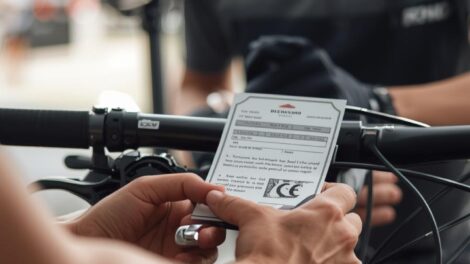
Unlike new bicycles purchased from a shop, secondhand bikes are often sold privately through online marketplaces or local listings. In these situations, buyers may have limited information about how the bicycle has been used, maintained, or repaired in the past. This is where a Rideworthy Certificate becomes valuable. It provides an independent confirmation that a bicycle has been inspected and assessed for safety and functionality.

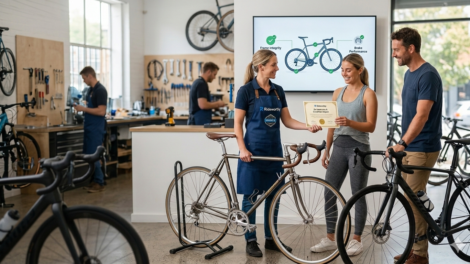
For both buyers and sellers, this certification can help remove guesswork from the transaction and create a more transparent and trustworthy secondhand bicycle market.

Understanding What a Rideworthy Certificate Is

A Rideworthy Certificate is issued after a bicycle undergoes a professional inspection that evaluates whether it is safe and suitable to ride. The inspection focuses on key mechanical and structural components that directly affect the performance and safety of the bicycle.

Rather than relying only on a visual check or a quick test ride, a proper inspection examines the condition of several important areas of the bike. These typically include the frame, braking system, drivetrain, steering components, and wheel condition. Each of these parts plays a critical role in ensuring the bicycle performs reliably on the road.

A certified inspection helps confirm that the bicycle meets essential safety standards. If any issues are found during the evaluation, they can be identified before the bike is sold or ridden regularly.

Why Buyers Benefit from a Rideworthy Certificate

When purchasing a secondhand bicycle, buyers often face a common challenge: determining whether the bike is actually in good condition. A bicycle may look well-maintained on the outside, but hidden mechanical issues can sometimes go unnoticed by inexperienced riders.

A Rideworthy Certificate helps address this problem by providing an objective evaluation from a professional inspection. This independent assessment offers buyers greater clarity about the condition of the bicycle.

For buyers, the main advantages include:

  • Confirmation that the bicycle has passed essential safety checks
  • Reduced the risk of purchasing a bike with hidden mechanical problems
  • Greater confidence when dealing with private sellers
  • A clearer understanding of the bike’s overall condition

This additional layer of transparency can make a significant difference, particularly for first-time buyers who may not know how to inspect a bicycle thoroughly themselves.

Another important benefit is peace of mind. Knowing that a bicycle has been professionally assessed allows buyers to focus on enjoying their ride rather than worrying about potential mechanical failures.

How Certification Helps Sellers Build Trust

While buyers gain reassurance from certification, sellers can also benefit greatly from having their bicycles inspected and certified. One of the biggest challenges when selling a secondhand bike is convincing potential buyers that the bicycle is genuinely in good condition.

Without proof of inspection, buyers may assume there could be hidden issues. This uncertainty can lead to lower offers, prolonged negotiations, or even lost sales.

A Rideworthy Certificate helps sellers demonstrate transparency and honesty. Instead of relying only on descriptions or photos, sellers can provide clear evidence that the bicycle has been inspected for safety and performance.

This can lead to several advantages:

  • Buyers feel more comfortable proceeding with the purchase
  • The seller appears more trustworthy and credible
  • The bicycle may attract more serious enquiries
  • Negotiations often become simpler because the condition has already been verified

In many cases, certification can also support a stronger asking price. Buyers are generally more willing to pay a fair price for a bicycle when they know it has been professionally inspected.

Improving Transparency in the Secondhand Bicycle Market

One of the biggest challenges in the used bicycle market is the lack of standardised verification. Many transactions rely entirely on the seller’s description of the bike. While many sellers are honest, misunderstandings can still occur when buyers and sellers have different expectations about what “good condition” means.

A Rideworthy inspection helps introduce a more objective process into the market. Instead of relying solely on personal judgment, buyers can refer to an inspection that evaluates the bike using clear mechanical criteria.

This approach helps promote several positive outcomes:

  • Greater transparency between buyers and sellers
  • Fewer disputes regarding the bike’s condition
  • Improved safety awareness among riders
  • A more reliable secondhand marketplace overall

As more riders become aware of the benefits of inspection and certification, the secondhand bicycle market can become safer and more trustworthy for everyone involved.

When a Rideworthy Certificate Becomes Especially Valuable

Although a Rideworthy Certificate is useful for most secondhand bicycle transactions, there are certain situations where it becomes particularly important.

For example, when high-value bicycles are being sold, buyers naturally want reassurance that the bike is mechanically sound. Performance bicycles, such as road or triathlon bikes, often involve significant investment even in the secondhand market.

Similarly, certification becomes very helpful when bicycles are sold through online marketplaces. Buyers may not always have the opportunity to inspect the bike thoroughly before travelling to view it. Having proof of inspection can therefore make the decision easier.

Certification is also valuable for first-time cyclists. New riders may not yet understand how to evaluate a bicycle’s condition or identify worn components. An inspection helps provide clarity and reassurance during the purchase process.

Supporting Safer Cycling for Everyone

Beyond individual transactions, Rideworthy inspections also contribute to broader cycling safety. A well-maintained bicycle is not only more enjoyable to ride but also significantly safer for both the rider and others on the road.

Mechanical issues such as worn brakes, loose components, or damaged frames can increase the risk of accidents. Regular inspections help identify these problems early and ensure that bicycles remain safe to use.

By encouraging proper checks and certification, services like Rideworthy help promote responsible bicycle ownership and safer riding practices.

Final Thoughts

Buying or selling a secondhand bicycle should be a straightforward and positive experience, but uncertainty about a bike’s condition can sometimes create hesitation on both sides of the transaction.

A Rideworthy Certificate helps remove much of this uncertainty by providing an independent inspection that confirms whether a bicycle is safe and mechanically sound. For buyers, it offers reassurance and protection from unexpected problems. For sellers, it provides a credible way to demonstrate transparency and build trust.

As the popularity of secondhand bicycles continues to grow, professional inspections and certification are becoming an increasingly valuable part of the process. By improving transparency, supporting safety, and building confidence between buyers and sellers, Rideworthy certification plays an important role in strengthening the secondhand bicycle market.

Want to understand exactly what that process involves? Read our step-by-step breakdown of how the inspection process works.
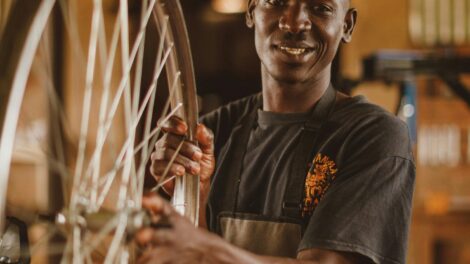
How to Increase the Resale Value of Your Bicycle Before Selling It

Selling a secondhand bicycle can be a great way to recover part of your original investment while giving the bike a new life with another rider. However, the resale value of a bicycle is rarely determined by age alone. Buyers often look at several factors, including condition, maintenance history, appearance, and reliability, before deciding how much they are willing to pay.

Many bicycle owners underestimate how much preparation can influence the selling price of their bike. A well-presented and properly maintained bicycle can attract significantly more interest than one that appears neglected, even if both models are technically similar.

If you are planning to sell your bicycle in the secondhand market, taking a few thoughtful steps beforehand can make a noticeable difference in both buyer interest and the final sale price.

Understand What Buyers Look for in a Secondhand Bicycle

Before preparing your bicycle for sale, it helps to understand how buyers typically evaluate a used bike. Most potential buyers are looking for three main things: safety, reliability, and value for money.

A buyer wants to feel confident that the bicycle will perform well without requiring immediate repairs or costly replacements. Even experienced cyclists prefer bikes that show clear signs of good care and responsible ownership.

Several factors can influence the perceived value of a bicycle, including:

  • Overall mechanical condition
  • Appearance and cleanliness
  • Wear on key components such as the drivetrain and tyres
  • Evidence of regular maintenance
  • Confidence that the bike is safe to ride

When these elements are addressed properly, the bicycle becomes far more appealing in the secondhand marketplace.

Start with a Thorough Cleaning

One of the simplest yet most effective ways to increase a bicycle’s resale value is to clean it thoroughly before listing it for sale. A clean bike immediately creates a better first impression and signals that the owner has taken good care of it.

Over time, bicycles collect dirt, grease, and dust, especially around the drivetrain and wheels. While this build-up may not affect performance significantly, it can make the bike appear poorly maintained.

Taking the time to wash the frame, clean the drivetrain, and wipe down all visible surfaces can transform the way the bicycle looks in photos and in person. Buyers often make quick judgments based on appearance, so presenting a clean and well-kept bike can greatly improve its perceived value.

Cleaning also allows the seller to inspect the bike more closely and identify any small issues that may need attention before the sale.

Address Minor Mechanical Issues

Small mechanical issues are common on used bicycles, particularly if the bike has been used regularly. Problems such as noisy chains, poorly adjusted gears, or slightly loose components may seem minor, but they can quickly discourage potential buyers.

Before selling your bicycle, it is worth addressing any obvious mechanical concerns. Ensuring that the bike rides smoothly and operates properly can have a positive impact on the selling price.

For example, a simple tune-up can often resolve common issues such as gear shifting problems or brake adjustments. Replacing inexpensive components like worn brake pads or a stretched chain may also improve the overall riding experience.

When buyers test ride a bicycle, they quickly notice whether it feels smooth, responsive, and well-maintained. A bike that rides well often sells faster and at a better price.

Replace Worn Components Where Necessary

Certain parts of a bicycle naturally wear out over time. Components such as tyres, chains, and brake pads are designed to be replaced periodically as they experience regular use.

If these parts appear heavily worn, replacing them before selling the bike can help increase its resale value. Buyers often consider the cost of future repairs when negotiating a price, so presenting a bicycle with recently replaced components can remove some of these concerns.

New tyres or a fresh chain can also improve the bike’s appearance and performance, making it more appealing during inspections and test rides.

It is not necessary to replace every part of the bicycle, but addressing the most visibly worn components can help demonstrate that the bike has been properly maintained.

Gather Maintenance Records and Details

Transparency is one of the most valuable aspects of any secondhand transaction. When buyers feel confident about a bicycle’s history, they are more likely to trust the seller and proceed with the purchase.

Providing clear information about the bike’s maintenance and usage can therefore improve buyer confidence. If the bicycle has been regularly serviced or maintained, sharing this information can strengthen the listing.

Buyers appreciate details such as when the bike was last serviced or whether any components have been replaced recently. Even simple explanations about how the bike was used, whether for commuting, recreational riding, or occasional weekend rides, can provide useful context.

Clear communication helps buyers understand the bike’s condition and reduces uncertainty during the decision-making process.

Present the Bicycle Clearly in Your Listing

Once the bike is ready to sell, the way it is presented online can influence how quickly it attracts attention. A well-written listing combined with clear photographs can significantly increase buyer interest.

Photographs should show the bicycle from multiple angles and highlight important components such as the drivetrain, wheels, and handlebars. Good lighting and a clean background can also improve how the bike appears in photos.

When writing the description, focus on providing honest and accurate details about the bicycle. Mention the brand, model, size, and any recent maintenance work that has been done.

A clear and transparent listing helps buyers understand what they are purchasing and can make the bicycle stand out among many other listings.

Why Inspection and Certification Can Help

In the secondhand market, buyers often worry about hidden mechanical problems. Even when a bike looks clean and well-maintained, they may still wonder whether there are issues that are not immediately visible.

This is where a professional inspection can provide additional reassurance. Having the bicycle evaluated for safety and condition helps confirm that the key components are functioning properly.

A Rideworthy inspection, for example, focuses on assessing areas such as the frame, braking system, wheels, and drivetrain to determine whether the bicycle is safe to ride. When a bicycle has been professionally inspected and certified, it adds credibility to the listing and helps buyers feel more confident about the purchase.

While certification does not replace good maintenance, it can support transparency and demonstrate that the seller values safety and reliability.

Final Thoughts

Increasing the resale value of a bicycle does not always require expensive upgrades or major repairs. In many cases, simple steps such as cleaning the bike, addressing minor mechanical issues, and presenting it clearly can make a noticeable difference in buyer interest.

Preparing the bicycle properly before listing it for sale helps create a positive first impression and signals that the bike has been responsibly maintained. When buyers see a bicycle that looks clean, rides smoothly, and comes with clear information about its condition, they are far more likely to consider it a worthwhile purchase.

In a competitive secondhand market, attention to detail can set one listing apart from many others. By taking the time to prepare the bicycle carefully, sellers can increase both buyer confidence and the likelihood of achieving a fair resale price.

From Inspection to Certification: How Rideworthy Evaluates a Bicycle

The secondhand bicycle market continues to grow as more riders look for affordable, sustainable ways to buy and sell bikes. While this growth has created great opportunities, it has also introduced one common challenge: uncertainty about the true condition of a bicycle.

A bike may appear clean and well-maintained, yet important safety issues can remain hidden beneath the surface. Small mechanical problems, worn components, or structural weaknesses can affect how safely and reliably a bicycle performs on the road.

This is where professional inspection plays an important role. Rideworthy focuses on evaluating bicycles through a structured inspection process designed to assess safety, condition, and performance. The goal is simple: to provide a reliable assessment that helps bring transparency and confidence to the secondhand bicycle market.

Understanding how this inspection and certification process works can help both buyers and sellers appreciate the value of a professionally evaluated bicycle.

Why Bicycle Inspection Matters in the Secondhand Market

Unlike new bikes sold through retailers, secondhand bicycles often change hands without any formal verification of their condition. Buyers typically rely on the seller’s description, photos, or a short test ride to determine whether the bike is worth purchasing.

While these methods can provide some insight, they rarely offer a full picture of the bike’s mechanical health.

A structured inspection helps address this gap by carefully assessing the parts of the bicycle that directly affect safety and ride quality. By identifying potential issues early, an inspection can prevent future problems and ensure the bike performs as expected.

More importantly, an independent evaluation introduces a level of trust that benefits both sides of a transaction.

The First Step: Initial Bicycle Assessment

The evaluation process begins with an overall assessment of the bicycle. This initial step allows inspectors to review the general condition of the bike and identify any obvious signs of wear, damage, or poor maintenance.

During this stage, attention is given to aspects such as:

  • Visible frame damage or structural concerns
  • Signs of corrosion or excessive wear
  • General cleanliness and maintenance history
  • Fit and alignment of major components

This overview helps inspectors determine whether the bicycle is suitable for a deeper inspection and whether any major issues are immediately present.

Even at this early stage, the goal is not simply to check appearance but to identify indicators that could affect the bike’s safety or long-term reliability.

Examining the Bicycle Frame and Structure

The frame is the foundation of any bicycle. If the frame is compromised, the entire bike becomes unsafe to ride. For this reason, frame inspection is one of the most critical parts of the evaluation process.

Inspectors carefully examine the frame for:

  • Cracks or fractures in the metal or carbon structure
  • Dents that may weaken the frame
  • Stress points around welds and joints
  • Alignment issues that could affect handling

Even minor structural concerns can have serious consequences if ignored. A proper frame inspection helps confirm whether the bicycle’s core structure remains safe and reliable for riding.

Evaluating the Braking System

Brakes are one of the most important safety components on any bicycle. Whether riding on busy roads or quiet cycling paths, reliable braking performance is essential for rider safety.

During the inspection, the braking system is carefully checked to ensure it responds correctly and provides sufficient stopping power.

Key elements reviewed during this stage include:

  • Brake pad condition and wear
  • Brake cable tension and responsiveness
  • Alignment of brake components
  • Overall braking performance

If braking performance is compromised, it can significantly increase the risk of accidents. Ensuring that the system functions properly is therefore a crucial part of the certification process.

Checking Wheels and Tyres

Wheels play a major role in both safety and ride quality. A bicycle with poorly aligned wheels or worn tyres may feel unstable and unpredictable on the road.

The inspection process includes a close look at the condition of both the wheels and tyres. Inspectors evaluate factors such as:

  • Wheel alignment and trueness
  • Spoke tension and integrity
  • Tyre wear and damage
  • Proper wheel attachment

Even small irregularities can affect how smoothly the bicycle rides. Addressing these issues helps ensure that the bike delivers a stable and controlled riding experience.

Assessing the Drivetrain and Mechanical Components

The drivetrain is responsible for transferring the rider’s pedalling power to the wheels. If these components are worn or poorly adjusted, the bicycle may shift gears poorly or feel inefficient to ride.

Rideworthy inspections include an evaluation of several drivetrain components, including:

  • Chain condition and wear
  • Gear shifting performance
  • Derailleur alignment
  • Cassette and chainring condition

A properly functioning drivetrain ensures that the bicycle operates smoothly and efficiently, which improves both performance and rider comfort.

Steering and Handling Checks

Another important aspect of the inspection involves evaluating how the bicycle handles. Stable steering and responsive handling are essential for safe riding.

Inspectors examine the handlebars, headset, and related components to ensure they operate smoothly without excessive looseness or stiffness. This helps confirm that the rider will have proper control over the bicycle while riding.

From Inspection to Certification

After all mechanical and structural checks are completed, the findings of the inspection are reviewed. If the bicycle meets the required safety and functionality standards, it can be recognised as Rideworthy.

This certification confirms that the bicycle has undergone a professional evaluation and has been assessed as suitable for riding.

Rather than acting as a marketing claim, the certificate represents an independent verification that the bike’s key components have been inspected for safety and performance.

For buyers, this helps reduce uncertainty when purchasing a secondhand bicycle. For sellers, it provides clear proof that the bike has been responsibly maintained and professionally evaluated. If you’re wondering why the Rideworthy certificate matters to buyers and sellers alike, we’ve covered that in detail separately.

Building Trust Through Transparent Evaluation

One of the main goals of the Rideworthy inspection process is to improve transparency within the secondhand bicycle market. When buyers and sellers have access to reliable information about a bike’s condition, transactions become smoother and more trustworthy.

Instead of relying solely on verbal descriptions or assumptions, both parties can refer to an inspection that evaluates the bicycle using consistent standards.

This not only helps individual transactions but also contributes to a safer cycling community overall.

Final Thoughts

The condition of a bicycle directly affects both safety and riding experience. In the secondhand market, understanding the condition can sometimes be difficult without professional guidance.

The Rideworthy inspection process provides a structured way to evaluate bicycles by carefully examining key components such as the frame, brakes, wheels, drivetrain, and steering systems. By assessing these critical areas, the process helps determine whether a bicycle is safe and suitable for riding.

When a bike passes this evaluation and receives certification, it offers reassurance that the bicycle has been professionally inspected and assessed for reliability.

For buyers, this creates confidence when purchasing a used bike. For sellers, it demonstrates transparency and responsible ownership. Ultimately, the inspection-to-certification process plays an important role in creating a more trustworthy and safety-focused secondhand bicycle market.

Bicycle Safety Checklist: What Every Rider Needs to Know Before Hitting the Road

Cycling offers freedom, convenience and enjoyment. Whether you ride to work, train on weekends or simply enjoy local paths, safety should never be an afterthought. A bicycle may appear perfectly fine at a glance, yet small mechanical issues can develop over time without obvious warning.

A simple pre-ride safety check takes only a few minutes, but it can prevent accidents, reduce repair costs and give you confidence every time you set off. Think of it as a routine habit rather than a technical task.

Below is a practical and realistic bicycle safety checklist that every rider should follow before hitting the road.

Start with Tyres and Wheels

Your tyres are the only part of the bicycle that touches the ground. Their condition directly affects balance, grip and braking distance.

Begin by checking tyre pressure. Underinflated tyres make pedalling harder and increase the likelihood of punctures. Overinflated tyres reduce traction and can make the ride unstable, especially on uneven surfaces.

Visually inspect for:

  • Cracks or splits in the rubber
  • Worn tread
  • Embedded debris, such as small stones or glass

Spin each wheel gently to ensure it rotates smoothly. If you notice wobbling or rubbing against the brake pads, the wheel may be misaligned and require adjustment.

Strong, properly inflated tyres provide a stable and controlled ride.

Test Brakes Before Every Ride

Brakes are the most critical safety component on any bicycle. Never assume they are working properly without checking.

Squeeze both brake levers firmly. They should feel responsive and not pull all the way back to the handlebars. The bicycle should stop quickly and evenly when pushed forward and braked.

Pay attention to:

  • Worn brake pads
  • Loose or frayed cables
  • Unusual squeaking or grinding sounds

If braking feels weak or inconsistent, do not ignore it. Addressing small brake issues early can prevent dangerous situations later. For a thorough breakdown of exactly what to examine, read our dedicated guide on checking your brake system in detail.

Check the Chain and Gearing System

A well-functioning drivetrain ensures smooth acceleration and control. Problems with the chain or gears can interrupt balance and rhythm during riding.

Look at the chain closely. It should appear lightly lubricated but not overly greasy. Rust, stiffness or visible dirt build up suggests it needs cleaning and lubrication.

Shift through the gears while stationary or during a short test ride. Gears should change smoothly without hesitation or loud clicking noises. Difficulty shifting often indicates cable tension issues or wear in the drivetrain.

Ignoring drivetrain problems can lead to more expensive repairs and reduced riding enjoyment.

Ensure Handlebars and Saddle Are Secure

Control and comfort rely heavily on stable contact points.

Hold the front wheel firmly between your legs and try turning the handlebars. They should not move independently of the wheel. Any looseness may indicate a problem with the stem or headset.

Sit on the saddle and apply slight pressure side to side. It should remain secure without slipping. A loose saddle can affect posture and balance, especially on longer rides.

These simple checks take seconds but make a significant difference in control.

Inspect the Frame for Visible Damage

Although less common, structural issues can develop over time, particularly if a bicycle has been involved in a fall or collision.

Examine the frame for:

  • Cracks around weld joints
  • Dents or deep scratches
  • Signs of corrosion

Even small cracks can weaken the overall structure. If you notice anything unusual, it is best to seek professional advice before riding.

Frame integrity is fundamental to rider safety.

Confirm Lights and Reflectors Are Working

If you plan to ride early in the morning, during dusk or at night, visibility becomes essential. Check that your front and rear lights are functioning properly and that your batteries are charged.

Reflectors should be clean and clearly visible. In busy urban environments, being seen by motorists is just as important as seeing the road ahead.

Even in daylight, reflective elements improve visibility in shaded or low-light areas.

Wear Proper Protective Gear

While this checklist focuses on the bicycle itself, rider preparation matters equally. A well-fitted helmet significantly reduces the risk of serious head injury.

Ensure the helmet:

  • Fits snugly without excessive movement
  • Sits level on your head
  • Has secure and properly adjusted straps

Consider wearing reflective clothing when riding in traffic. Gloves can improve grip and protect your hands during falls.

Safety is a combination of mechanical reliability and personal responsibility.

Build the Habit, Not the Excuse

One of the most common reasons riders skip safety checks is a lack of time. Yet a thorough inspection rarely takes more than five minutes. Building this routine into your preparation quickly becomes second nature.

Experienced cyclists often develop a simple flow. Tyres, brakes, chain, handlebars, quick visual frame scan, then lights. With repetition, it becomes effortless.

Consistency is what protects you.

Final Thoughts

A bicycle safety checklist is not about being overly cautious. It is about riding with confidence. Small mechanical issues can escalate quickly if left unnoticed, but they are usually easy to detect with regular attention.

By checking tyres, brakes, gears, structural integrity and visibility equipment before each ride, you significantly reduce risk and improve overall performance.

Cycling should feel smooth and reassuring, not uncertain. When you know your bicycle has been properly checked, every ride becomes more enjoyable and controlled.

Taking a few minutes before you leave home can make all the difference between a safe journey and an avoidable problem. Safe riding begins before the first pedal stroke.

Secondhand Bicycle Market Trends: Why Used Bicycles Are More Popular Than Ever

The secondhand bicycle market has transformed significantly over the past decade. What was once viewed as a budget alternative is now a deliberate and informed choice for many riders. Buyers are no longer simply looking for the cheapest option. They are seeking value, reliability and transparency.

Across Australia, interest in used bicycles continues to rise. From commuters navigating busy city streets to families purchasing bicycles for their children, the appeal of pre-owned models has become mainstream.

Understanding what is driving this demand provides valuable insight for both buyers and sellers.

Rising Cost of New Bicycles

One of the most obvious factors influencing the market is the increasing price of new bicycles. Advances in materials, design and technology have improved performance, but they have also pushed retail prices higher.

For many first-time riders, entry-level models now represent a considerable investment. As a result, buyers are turning to secondhand bicycles to access better brands and higher specifications at a more accessible price point.

A well-maintained used bicycle often delivers similar performance to a new model, especially for recreational or commuting purposes. This practical thinking has encouraged more people to consider pre-owned options seriously rather than as a compromise.

Growth in Urban Cycling and Commuting

Major Australian cities have experienced steady growth in cycling infrastructure. Dedicated bicycle lanes, shared pathways, and active transport initiatives have made cycling a more realistic commuting option.

As commuting habits shift, demand for affordable and reliable bicycles increases. Not everyone wants to spend a large sum on a new model for daily travel. A secondhand bicycle offers a practical solution without a heavy financial commitment.

Commuters often prioritise functionality and safety over brand-new appearance. This mindset aligns perfectly with the used bicycle market.

Sustainability and Environmental Awareness

Environmental consciousness is another powerful influence. More Australians are considering the environmental impact of their purchasing decisions.

Buying a secondhand bicycle contributes to:

  • Extending the product lifecycle
  • Reducing manufacturing demand
  • Minimising landfill waste

Cycling itself is an environmentally friendly mode of transport. Choosing a pre-owned bicycle strengthens that sustainable choice even further.

This shift in consumer mindset has elevated the reputation of used bicycles. They are no longer seen as second best, but as responsible and practical.

Online Marketplaces and Easier Access

The expansion of online platforms has dramatically changed how bicycles are bought and sold. Listings are accessible within minutes, allowing buyers to compare models, prices and locations quickly.

However, convenience brings its own challenges. Photographs and brief descriptions do not always reveal the true mechanical condition of a bicycle. As the market expands digitally, the need for transparency and independent verification has grown.

Buyers are becoming more cautious. They want reassurance that what they see online reflects the actual condition of the bicycle.

Increased Focus on Safety and Compliance

As the secondhand bicycle market matures, safety has become a central concern. Buyers are asking more questions about service history, mechanical condition and compliance with safety expectations.

A growing number of riders prefer bicycles that have undergone professional inspection. Independent assessment reduces uncertainty and builds trust between buyer and seller.

When a secondhand bicycle has been inspected and certified for safety and performance, it provides reassurance that critical components such as brakes, frame integrity and drivetrain condition have been properly evaluated. This level of transparency supports confidence without turning the transaction into a gamble.

Trust is becoming one of the strongest currencies in the used bicycle market.

Changing Attitudes Towards Ownership

Consumer attitudes are evolving. Many Australians are embracing more flexible ownership models. Rather than investing heavily in new products, they are exploring smarter purchasing decisions that prioritise value and practicality.

In this environment, secondhand bicycles make sense. Riders can upgrade, resell or change styles without committing to high depreciation costs associated with brand new purchases.

This flexibility appeals to:

  • Students
  • Young professionals
  • Families with growing children
  • Recreational cyclists testing a new discipline

The used market supports experimentation and accessibility in cycling.

Quality Retention of Modern Bicycles

Modern bicycles are built to last. Advances in materials such as aluminium alloys and carbon fibre mean that many bicycles retain structural integrity for years when properly maintained.

This durability increases buyer confidence in the secondhand sector. A well-cared-for bicycle can deliver reliable performance long after its initial purchase date.

As awareness grows regarding how to inspect and maintain used bicycles, hesitation continues to decrease.

Final Thoughts

The growing popularity of secondhand bicycles is not simply a trend. It reflects broader changes in consumer priorities across Australia. Affordability, sustainability and transparency are shaping purchasing decisions more than ever before.

The used bicycle market offers genuine value when approached carefully. Buyers who focus on condition, safety, and proper inspection can secure dependable bicycles at a fraction of the new retail price. Not sure where to start? Our complete beginner’s guide to buying a secondhand bicycle covers everything you need to know.

As trust and independent verification become more integrated into the buying process, confidence in the secondhand sector will continue to strengthen. For many riders, choosing a used bicycle is no longer a compromise. It is a practical and informed decision.

Scroll Up