How to Check a Bike’s Serial Number in Australia (And Why It Matters)

Every bicycle has a unique serial number – and for anyone buying or selling a second-hand bike in Australia, that number is one of the most important pieces of information you can find. It’s the difference between buying a legitimate used bike and unknowingly purchasing stolen property.

In this guide, we cover exactly where to find a bike’s serial number, which Australian registers and databases to check it against, what to do if a serial number is missing or tampered with, and how a professional Rideworthy inspection keeps you protected.

Where to Find a Bicycle’s Serial Number

The serial number (sometimes called the frame number) is stamped, engraved or printed on the frame at the time of manufacture. On the vast majority of bicycles, you’ll find it in one of these locations:

  • Bottom bracket shell: the most common location – underneath the frame, in the centre where the pedals meet. Look directly below the chainring area.
  • Chain stay: the tube running from the bottom bracket towards the rear dropout
  • Head tube: on some older or European bikes, the serial number may be near the steering tube at the front
  • Seat tube: occasionally stamped on the vertical tube below the saddle

As the NSW Government notes, most bicycles carry a unique serial number stamped on the underside of the frame. If the number is not immediately visible, a torch helps – particularly on dark anodised frames.

On e-bikes, you may find both a frame serial number and a separate battery or motor serial number. Both are worth recording.

Rideworthy Tip: Photograph the serial number before any purchase. Keep the image in your phone’s camera roll along with the seller’s details. If a dispute arises later, you’ll have timestamped evidence of the number at the time of sale.

Australian Registers to Check a Bike’s Serial Number

Australia has several registers where stolen bikes are reported and where you can cross-check a serial number before purchasing. Here are the key platforms to know:

Bike Index

Bike Index is a free, international non-profit bicycle registration and stolen bike database. Rideworthy is a partner organisation with Bike Index, and the platform already has over 568 bikes registered through the network. You can search Bike Index by serial number at bikeindex.org to check whether a bike has been reported stolen anywhere in Australia or internationally.

BikeVAULT (formerly National Bike Register)

BikeVAULT is an Australian registration service that has absorbed the old National Bike Register (NBR). The platform allows owners to register their bikes (free) and provides a searchable database. BikeVAULT also offers theft recovery assistance led by police-trained specialists.

Bikelinc

Bikelinc is powered by Crime Stoppers WA and is used in Western Australia, the ACT and Tasmania. It allows both registration and searching for lost or stolen bikes using serial numbers. Police can search the database to identify owners of recovered bikes.

PPSR (Personal Property Securities Register)

While primarily designed for motor vehicles, the PPSR – the government database that replaced the old REVS system in 2012 – can be searched using a vehicle serial number. The PPSR can reveal whether a bicycle or e-bike has any finance owing against it, or has been recorded as stolen or written off. A basic search costs a few dollars at ppsr.gov.au and is worth conducting for higher-value bikes.

How to Conduct a Serial Number Check: Step by Step

  1. Ask the seller to show you the bike’s serial number in person before agreeing to anything
  2. Photograph the number clearly with your smartphone
  3. Search Bike Index using the serial number – it’s free and takes under a minute
  4. Search BikeVAULT for additional Australian records
  5. If in WA, ACT or Tasmania, also check Bikelinc (bikelinc.com.au)
  6. For higher-value bikes, run a PPSR search at ppsr.gov.au
  7. If any result shows the bike as stolen or encumbered, do not proceed with the purchase and consider notifying police

What If There’s No Serial Number?

A missing or tampered serial number is a serious red flag when purchasing a used bicycle. While some older bikes – particularly those manufactured before the late 1980s – may not carry serial numbers as a standard, a missing or scratched-out number on any modern bicycle should prompt extreme caution.

Thieves commonly remove or grind off serial numbers to make stolen bikes harder to trace. If you’re inspecting a bike and the number appears to have been deliberately removed, consider walking away from the purchase entirely.

The NSW Government recommends that if your bicycle does not have a serial number, you can engrave your own identification number and record the details separately.

Rideworthy Tip: A Rideworthy certified inspection includes verification of frame details and documentation of the serial number as part of the inspection report. This gives buyers an independent record of the bike’s identity at the time of purchase.

Registering Your Bike After Purchase

Once you’ve purchased a bike, register it immediately on Bike Index and/or BikeVAULT. Registration is free and takes less than five minutes. In the unfortunate event of theft, a registered bike with a documented serial number gives police the best chance of identifying and returning it to you.

Victoria Police notes that all bike owners should take note of and record their serial numbers in a safe location. Don’t wait until after a theft to discover you never recorded it.

Verifying the serial number is just one part of a safe purchase – make sure you also know the other things to check before buying a secondhand bicycle. Buying a used bike in Sydney, Melbourne, Brisbane, Perth, Adelaide or Canberra? A Rideworthy bicycle inspection report documents the bike’s serial number, frame condition and component state – giving you independent, certified proof of what you purchased. Book at Rideworthy.
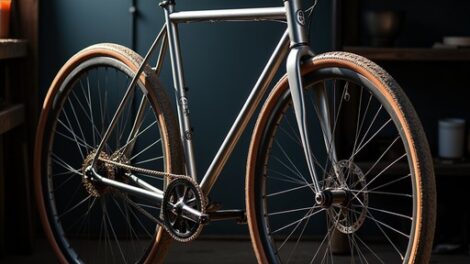
Road Bike vs. Gravel Bike vs. Mountain Bike – Which Used Bike Is Worth Buying in 2026?

If you’ve been browsing Facebook Marketplace or BikeExchange lately, you’ll know the second-hand bike market in Australia is booming. But with hundreds of listings across road bikes, gravel bikes and mountain bikes, the big question isn’t just which one is cheapest – it’s which one is actually worth buying for your riding style, terrain and budget.

This guide breaks down the core differences between the three most popular bike categories in Australia, what each one typically costs second-hand, what to inspect before buying, and where Rideworthy’s certified bicycle inspection service can save you from an expensive mistake.

Understanding the Three Categories

Road Bikes

Road bikes are built for speed and efficiency on sealed surfaces. Lightweight frames, narrow tyres (typically 23–32mm), drop handlebars and stiff geometry make them ideal for long rides on pavement, group rides, Strava segments and charity events.

In Australia’s capital cities – Sydney, Melbourne, Brisbane, Adelaide, Canberra and Perth – road bikes shine on the vast network of sealed cycling paths, coastal routes and inner-city commutes. They’re less suited to the fire trails, gravel roads and mixed terrain that make up a significant chunk of Australia’s cycling landscape.

Second-hand price range (Australia, 2026): $300 – $4,500+ depending on groupset (Shimano Tiagra vs Ultegra vs Dura-Ace) and frame material (aluminium vs carbon).

Gravel Bikes

Gravel bikes are the fastest-growing segment in Australian cycling. They blend the drop-bar efficiency of a road bike with wider tyre clearance (typically 35–55mm), more relaxed geometry and the versatility to ride both sealed and unsealed surfaces.

For Australian riders, gravel bikes are a compelling all-rounder. They handle the morning commute in Sydney’s inner suburbs just as well as weekend adventures on the fire trails of the Dandenong Ranges outside Melbourne, the Munda Biddi Trail in Western Australia or the Rail Trail networks in Victoria. If you can only own one bike, a gravel bike is increasingly the intelligent choice.

Second-hand price range (Australia, 2026): $600 – $5,000+ depending on frame and components.

Mountain Bikes (MTB)

Mountain bikes are purpose-built for off-road riding. Wide, knobby tyres, flat handlebars, front suspension (hardtail) or full suspension (full-sus) and a more upright, confident riding position make them the go-to for singletrack, trail centres and technical terrain.

Australia has world-class mountain biking destinations – from Derby in Tasmania to the Stromlo Forest Park in Canberra, the Blue Derby Trails in NSW and the numerous trail networks around Adelaide Hills. If technical off-road riding is your primary goal, a mountain bike is the right tool.

Second-hand price range (Australia, 2026): $400 – $8,000+ with a wide range between hardtail entry-level and full-suspension trail/enduro bikes.

Head-to-Head: Which Is Best for Australian Riding?

For city commuting and road riding in Sydney, Melbourne, Brisbane or Adelaide

A road bike wins on efficiency and speed. However, a gravel bike is worth the small weight penalty if your commute involves any rough paths, tram tracks, potholes (Melbourne cyclists, you know this pain) or mixed surfaces.

For exploring Australia’s trails and gravel roads

A gravel bike is the versatile hero – you can load it with bikepacking gear for a trip on the Mawson Trail in South Australia or keep it light for a fast spin on the Otway Ranges trails in Victoria. Mountain bikes will outperform on anything genuinely technical.

For dedicated trail and mountain bike riding

A mountain bike with quality suspension is the only serious choice. Gravel bikes are simply not designed for rocky singletrack, steep descents or drops. Don’t try to cut corners here – buy the right tool for the terrain.

What to Inspect When Buying Any Used Bike in Australia

Regardless of which category you choose, second-hand bikes can carry hidden mechanical problems that aren’t visible in marketplace listing photos. Here’s what a professional inspection covers:

  • Frame integrity: cracks, dents, corrosion or paint bubbling around welds (aluminium) or stress points (carbon)
  • Drivetrain wear: chain stretch, cassette and chainring wear, derailleur alignment and cable condition
  • Brake system: pad wear, rotor trueness (disc brakes), rim brake surface condition and cable fraying
  • Wheel condition: spoke tension, rim trueness, hub bearing play and tyre condition
  • Suspension (MTB): fork seal leaks, sag setup, rebound and compression damping function
  • Headset and bottom bracket: bearing play, creaking or roughness
  • Component originality: has the bike been repaired with mismatched or lower-grade parts?

Rideworthy Tip: A Rideworthy certified inspection covers all of the above in a structured report delivered by a qualified bicycle technician at a trusted workshop in Sydney, Melbourne, Brisbane, Adelaide, Perth or Canberra.

Value for Money: Which Category Depreciates Best?

Road bikes depreciate quickly when a new groupset generation releases (Shimano’s 12-speed shift created a wave of discounted 11-speed road bikes on the second-hand market). This can represent excellent buying opportunities for informed purchasers.

Gravel bikes are newer to the market and hold value reasonably well, but a well-used aluminium gravel bike can represent exceptional value as a used buy.

Mountain bikes vary enormously. Full-suspension bikes with quality suspension components (Fox, RockShox) hold value well but replacement parts are expensive. A solid hardtail is often the best-value used mountain bike purchase for most riders.

The Rideworthy Verdict: Which Used Bike Is Worth Buying in 2026?

There’s no single right answer – but there is a right answer for you. The key is matching the bike to how and where you actually ride, not what sounds most exciting in a listing description.

  • Primary road riding in an Australian city → used road bike (aim for Shimano 105 or better groupset)
  • Mixed terrain, commuting and exploration → used gravel bike (aluminium is the sweet spot for value)
  • Dedicated off-road, trails and singletrack → used mountain bike (hardtail for most; full-sus if budget allows)

Still unsure which type suits your needs? Our complete guide to buying a used bike walks you through the full decision from frame checks to fit.

Before you hand over any cash, protect your investment with a Rideworthy certified bicycle inspection. Our trusted workshop network covers Sydney, Melbourne, Brisbane, Adelaide, Perth and Canberra. Book your bicycle inspection at Rideworthy.

The Rise of the Secondhand Bicycle Market in Australia: What’s Driving It?

Walk through any major Australian city on a sunny weekend and you’ll see it. Bikes of every kind — road bikes, mountain bikes, commuter hybrids — lined up against fences at markets, listed on phone screens at cafes, swapped between strangers in pub car parks. The secondhand bicycle market in Australia is quietly booming, and it’s bigger than most people realise.

So what’s behind the surge? Why are more Australians than ever buying and selling used bikes — and why does it matter? Here’s a breakdown of the real forces shaping the market right now.

1. The COVID Cycling Boom Left Behind a Lot of Bikes

The story of Australia’s current secondhand bike market begins in 2020. When the pandemic hit and gyms shut, Australians turned to cycling in massive numbers. Bike shops sold out. Wait times stretched to months. New cyclists flooded roads and trails in every state.

In 2020 alone, 1.7 million bicycles were sold across Australia — one of the highest single-year sales figures the country has ever recorded.

The industry enjoyed record revenue growth in 2020–21 and 2021–22, fuelled by this surge in demand. But consumer behaviour rarely stays at peak levels, and what goes up tends to come back down. By 2023 and 2024, new bike sales had cooled significantly, falling for three consecutive years after those twin boom years.

The result? A generation of bikes — many bought with enthusiasm, ridden occasionally, and then stored in garages — are now making their way back into the market. Sellers are clearing out bikes they no longer use. Buyers are snapping up quality rides at prices well below retail. The post-COVID ripple effect is very real, and it’s creating genuine opportunity for anyone in the market for a used bicycle.

2. Cost of Living Pressures Are Changing How Australians Buy

Australia’s cost of living crisis is reshaping spending habits across the board — and bike buying is no exception. When household budgets tighten, the logic of buying secondhand becomes almost irresistible.

A quality road bike from a reputable brand like Giant, Trek, or Specialized can easily cost $2,000 to $5,000 new. The same bike, bought secondhand in good condition, might sell for 40–60% less. For a family looking to get the kids into cycling, or a commuter wanting to ditch the car for shorter trips, that difference is significant.

The Australian bicycle market was valued at AUD 3.10 billion in 2025 — and is projected to grow to AUD 5.04 billion by 2035. More bikes sold new today means more bikes entering the secondhand market in the years ahead.

Rising fuel costs, increased public transport fares, and general inflationary pressure are also pushing more people toward cycling as a practical, affordable mode of transport. Many of those new riders aren’t buying brand new. They’re hunting for value — and the secondhand market is where they find it.

3. Cycling Is Now a Mainstream Part of Australian Life

Australia has always had a strong cycling culture, but participation numbers over the past decade tell a compelling story of steady mainstreaming.

36.7%  — of Australians rode a bicycle in the past year (2023 National Cycling Participation Survey)

$18.6 billion  — in economic and social contribution from cycling in Australia in 2022 (WeRide Australian Cycling Economy Report)

$313 million  — in annual savings to the Australian health system from cycling activity

514,096 tonnes  — of CO2 avoided annually through cycling replacing motor vehicle travel

Cycling is no longer a niche hobby. It’s mainstream fitness, mainstream commuting, and increasingly mainstream sustainability. As more Australians get on bikes — for health, transport, and recreation — the overall pool of bikes in circulation grows. And as cyclists upgrade, replace, or change their riding style, those bikes move through the secondhand market.

Over one-third of riders in Australia now use their bike for transport — not just recreation. That shift from leisure to utility means bikes are being worn out, serviced, traded up, and replaced more regularly than ever before.

4. Online Platforms Have Made Buying and Selling Frictionless

A decade ago, selling a secondhand bike meant placing an ad in a local newspaper, dealing with a notice board at the bike shop, or running a garage sale. Today, it takes about five minutes.

Facebook Marketplace dominates the Australian secondhand bicycle market — driven partly by the fact that nearly 83% of Australians have a Facebook account, making it the lowest-friction platform to list on.

Research tracking Australian peer-to-peer bicycle marketplaces found that approximately 150,000 bicycle units were sold through platforms like Facebook Marketplace, Gumtree, and eBay in a single year — with around 312,000 units listed for sale, suggesting roughly a 48% sell-through rate. That’s a significant and active market.

Platforms like BikeExchange and Pinkbike’s BuySell section add further depth, particularly for enthusiast and performance bicycle buyers. The cumulative effect is a secondhand market that is more accessible, more visible, and more liquid than it has ever been.

The convenience cuts both ways. Sellers can reach a city-wide audience in minutes. Buyers can compare dozens of listings, filter by location and price, and arrange a same-day inspection. The digital infrastructure for secondhand bike trading is, arguably, better than it’s ever been.

5. Sustainability Is Driving Consumer Choices

There’s a growing cohort of Australian consumers who aren’t just buying secondhand because it’s cheaper — they’re doing it because it’s the right thing to do.

Manufacturing a new bicycle carries a significant environmental cost. Materials must be sourced, processed, and shipped — often from factories in Asia. Buying secondhand eliminates that production footprint entirely. The bike already exists. It just needs a new owner.

Cycling itself is already one of Australia’s most environmentally positive transport choices. According to the WeRide Cycling Economy Report, Australian cyclists avoided over 514,000 tonnes of CO2 emissions in 2022 by replacing motor vehicle trips. Buying and riding a secondhand bike compounds that benefit — the environmental payoff is double.

This sustainability dimension resonates particularly strongly with younger Australian buyers, many of whom are actively seeking to reduce their consumption impact. For them, a pre-loved bicycle isn’t a compromise. It’s a deliberate choice.

6. The One Problem the Market Still Hasn’t Solved

For all its momentum, the secondhand bicycle market has a persistent and well-known flaw: trust.

When you buy a used bike from a private seller, you’re relying entirely on their word about its condition, history, and safety. There’s no standardised inspection process. No documentation. No independent verification. And in a private sale, usually no recourse if something turns out to be wrong.

This creates a genuine problem for buyers — particularly those new to cycling who may not know what to look for — and a frustrating one for sellers who want to prove their bike is in genuinely good condition but have no credible way to do so.

The secondhand bicycle market in Australia generated approximately $12 million AUD through peer-to-peer platforms in the past year — and that figure grows when you include retail secondhand and in-person sales. It’s a significant market operating almost entirely on trust.

For a closer look at how buyer behaviour is shifting, see our breakdown of the latest secondhand market trends across Australia.

Scam concerns compound the issue. Buying and selling fraud on Australian online marketplaces was the most reported scam type involving financial loss in 2025, with over 9,600 reports resulting in millions of dollars in losses. While not all of these involve bikes, the broader climate of marketplace mistrust makes buyers more cautious — and rightfully so.

This is the gap that Rideworthy was built to fill. By providing a professional, independent bicycle inspection and certification service, Rideworthy brings the kind of transparency that car buyers take for granted — a verified record of a bike’s safety, condition, and performance — to the secondhand bicycle market.

What This Means for Buyers and Sellers in 2026

The conditions driving growth in the secondhand bicycle market aren’t going away. Cost of living pressures remain. Cycling participation continues to grow. Online platforms are only getting better. And sustainability consciousness is deepening across Australian consumer culture.

For buyers, the secondhand market offers genuine opportunity — quality bikes at accessible prices, with more supply than ever thanks to the post-COVID inventory overhang. But buying smart means knowing what you’re getting. A professional inspection before you commit can be the difference between a great deal and an expensive mistake.

For sellers, the market is active and liquid — but standing out means demonstrating value. A Rideworthy certificate isn’t just peace of mind for the buyer. It’s a signal of integrity that can justify your asking price and speed up the sale.

The secondhand bicycle market is maturing. And as it does, trust and transparency are becoming the new currency.

Ready to buy or sell a bicycle with confidence?

Book a Rideworthy bicycle inspection today and get an official certificate that tells buyers — and sellers — the full story. Find a certified workshop near you in Sydney, Melbourne, Brisbane, Perth, Adelaide, and Canberra.

How to Spot a Safe Secondhand Bicycle: Expert Tips from Rideworthy Inspectors

Buying a secondhand bicycle can be one of the smartest ways to enter cycling or upgrade without overspending. Many excellent bicycles change hands every year, and when properly maintained, they can offer years of reliable use.

However, not every used bicycle is a good purchase. Cosmetic appearance can be misleading, and mechanical issues are not always obvious at first glance. Knowing what to look for makes the difference between securing a dependable ride and inheriting hidden problems.

Here is How Experienced Inspectors Assess Whether A Secondhand Bicycle

Examine the Frame with Care

The frame is the foundation of the bicycle. If it is compromised, nothing else truly matters.

Start by carefully inspecting key structural areas:

  • Around weld joints
  • Near the head tube
  • Bottom bracket area
  • Seat stays, and chain stays

Look for cracks, dents or signs of stress. Small hairline cracks, especially in aluminium frames, can worsen over time. Steel frames may show rust, which should be evaluated to determine whether it is surface-level or structural.

Paint touch-ups can sometimes hide previous damage. Uneven paint or slight colour variation may indicate that the bicycle has been repaired following a fall or accident.

If the frame shows any sign of structural weakness, it is best to walk away.

Test Brake Performance Thoroughly

Brakes are non-negotiable when it comes to safety.

When inspecting a secondhand bicycle, squeeze both brake levers firmly. They should feel solid and responsive, not soft or spongy. The wheels should stop quickly and evenly without pulling to one side.

Pay attention to:

  • Brake pad thickness
  • Condition of cables or hydraulic lines
  • Unusual noises when braking

Worn brake pads are normal and easily replaced. However, inconsistent braking or damaged components may suggest deeper maintenance issues.

A test ride, even a short one, reveals far more than a stationary inspection. For a deeper dive into what to look for, read our detailed guide on checking brakes on a used bike.

Assess the Drivetrain for Wear

The drivetrain includes the chain, cassette, chainrings and derailleur. These parts naturally wear over time, but excessive wear can indicate neglect.

Examine the chain closely. It should not appear rusty or overly stretched. Teeth on the cassette and chainrings should look evenly shaped rather than sharp or hooked.

During a test ride, shift through all gears. Smooth transitions suggest proper adjustment. Hesitation, skipping or loud clicking sounds may indicate cable tension issues or worn components.

Replacing a chain is inexpensive. Replacing the entire drivetrain is not. This is why careful inspection matters.

Check Wheel Alignment and Bearings

Wheels should spin smoothly and remain straight. Lift the bicycle slightly and rotate each wheel to observe whether it wobbles from side to side.

Listen for grinding or rough sounds. These may indicate worn bearings. Also, check that the rims are not excessively worn, particularly on bicycles with rim brakes.

Stable wheels are essential for safe handling and balance.

Verify the Serial Number

A legitimate secondhand bicycle should have a visible serial number stamped on the frame, usually underneath the bottom bracket.

This number helps confirm ownership history and reduces the risk of unknowingly purchasing stolen property. If a seller avoids questions about identification, it is a warning sign.

Transparency is an important part of a safe transaction.

Look Beyond Cosmetic Condition

A clean, polished bicycle may look appealing, but appearance does not guarantee mechanical reliability.

Scratches are normal with use. Focus instead on structural integrity and functional performance. It is better to choose a bicycle with minor cosmetic wear and strong mechanical health than one that looks perfect but hides issues.

Do not rush the decision. Take your time and inspect carefully.

The Role of Independent Inspection and Certification

Many buyers today prefer additional reassurance before committing to a purchase. An independent inspection provides clarity about the bicycle’s condition, especially for those who may not feel confident assessing mechanical components themselves.

A secondhand bicycle that has undergone professional inspection and received a recognised safety certificate offers an extra layer of confidence. It confirms that critical elements such as frame integrity, braking performance and overall compliance have been properly evaluated.

For sellers, certification demonstrates transparency. For buyers, it reduces uncertainty. It turns what might feel like a risky purchase into a more informed and confident decision.

The aim is not marketing. It is simply about removing guesswork from the secondhand market and ensuring that safety remains the priority.

Take a Proper Test Ride

If possible, always take the bicycle for a short ride.

During the test ride, pay attention to:

  • Stability and balance
  • Brake response
  • Smooth gear shifting
  • Unusual noises

A bicycle may look fine when stationary, but reveal problems once in motion. Trust how it feels. Comfort and control are strong indicators of overall condition.

Final Thoughts

Buying a secondhand bicycle requires patience and attention to detail. While many used bicycles offer excellent value, safety should never be assumed without proper checks.

By carefully inspecting the frame, brakes, drivetrain, wheels and identification details, you significantly reduce the risk of unpleasant surprises. Taking the time to test ride and, where possible, choosing a bicycle that has been independently inspected can provide additional peace of mind.

A safe secondhand bicycle is not defined by age. It is defined by condition, care and transparency. When those elements are present, a pre-owned bicycle can deliver years of dependable and enjoyable riding.

Is a Secondhand Triathlon Bicycle Worth It? Pros, Cons and Expert Advice

Triathlon bicycles are designed for speed, aerodynamics, and endurance. However, brand-new triathlon bicycles can be extremely expensive, often costing thousands of dollars. Because of this, many cyclists consider buying a secondhand triathlon bicycle as a more affordable alternative.

But is it really worth it?

A used triathlon bicycle can offer excellent value if it is in good condition, but it also comes with potential risks. Knowing what to look for, understanding the advantages and drawbacks, and ensuring the bicycle has been properly inspected can make the difference between a great investment and a costly mistake.

This guide explains the pros, cons, and expert advice on buying a secondhand triathlon bicycle and how a Rideworthy inspection can help buyers make confident decisions.

Understanding Triathlon Bicycles

Triathlon bicycles differ from regular road bicycles in several ways. They are built specifically to maximise aerodynamic efficiency and maintain speed over long distances.

Key features of a triathlon bicycle include:

  • Aerodynamic frame geometry
  • Aero handlebars or aero bars
  • Steeper seat tube angle
  • Integrated hydration and storage systems
  • Lightweight carbon or aluminium frame

These features help riders maintain a streamlined position and conserve energy during triathlon races.

However, these specialised designs also mean that triathlon bicycles can be expensive when new, which is why the secondhand market is quite popular.

Pros of Buying a Secondhand Triathlon Bicycle

Buying a pre-owned triathlon bicycle can be a smart decision if you approach it carefully.

1. Significant Cost Savings

One of the biggest benefits is the price difference.

  • New triathlon bicycles can cost $3,000 to $10,000 or more
  • Used bicycles may be available for 40–60% less
  • Higher-end models become accessible at lower prices

This enables beginners to enter the sport without a significant financial commitment.

2. Access to Higher-End Models

Instead of buying a basic new bicycle, many cyclists choose a used premium model.

Benefits include:

  • Better frame materials, such as carbon fibre
  • Higher quality groupsets
  • Superior wheelsets
  • Advanced aerodynamic design

In many cases, a used high-end bicycle may perform better than a brand-new entry-level model.

3. Ideal for Beginners Testing the Sport

Triathlon is a demanding sport, and many people are unsure whether they will stay committed long-term.

Buying secondhand allows riders to:

  • Test the sport without major investment
  • Upgrade later if they continue competing
  • Avoid large depreciation from a brand-new purchase

4. Environmentally Responsible Choice

Buying pre-owned equipment supports sustainability.

Benefits include:

  • Extending the lifecycle of bicycles
  • Reducing manufacturing demand
  • Lower environmental impact compared with producing new bicycles

Cons of Buying a Secondhand Triathlon Bicycle

While the advantages are clear, there are also risks buyers should consider.

1. Hidden Mechanical Issues

Used bicycles may have problems that are not immediately visible.

Common issues include:

  • Worn drivetrain components
  • Cracks in carbon frames
  • Damaged bearings
  • Misaligned wheels
  • Faulty brake systems

Without a proper inspection, these problems may only become apparent after purchase.

2. Improper Bicycle Fit

Triathlon bicycles are designed with aggressive geometry.

If the bicycle does not fit your body properly, it can cause:

  • Poor performance
  • Rider discomfort
  • Increased injury risk
  • Reduced aerodynamics

Unlike casual cycling bicycles, fit is extremely important for triathlon bicycles.

3. Lack of Service History

Many secondhand bicycles come without documentation of:

  • Previous maintenance
  • Component replacements
  • Crash damage
  • Modifications

This uncertainty makes it difficult to assess the true condition of the bicycle.

4. Potential Safety Risks

A poorly maintained bicycle can pose serious safety concerns.

For example:

  • Brake failure
  • Cracked frames
  • Worn tyres
  • Loose handlebars
  • Faulty gear systems

These risks highlight why a professional inspection is highly recommended before purchasing a used bicycle.

Expert Advice for Buying a Secondhand Triathlon Bicycle

Cycling professionals recommend several steps when purchasing a pre-owned triathlon bicycle.

1. Carefully Inspect the Frame

The frame is the most expensive and critical component.

Check for:

  • Cracks in carbon or aluminium
  • Paint damage that may hide structural issues
  • Frame alignment problems
  • Signs of previous crashes

Even small cracks can lead to major safety issues. If you’re looking at a carbon triathlon frame in particular, read our detailed guide on inspecting carbon vs aluminium frames before you buy.

2. Examine the Drivetrain Components

The drivetrain includes parts such as:

  • Chain
  • Cassette
  • Crankset
  • Derailleurs

Signs of heavy wear may mean you will need to replace these components soon.

3. Check Wheels and Brakes

Wheels and braking systems are essential for safety and performance.

Look for:

  • Worn brake pads
  • Wheel wobble
  • Damaged rims
  • Loose spokes

These problems can affect both ride quality and safety.

4. Confirm the bicycle Fits Your Body

Before purchasing, ensure the bicycle suits your height and riding style.

A proper fit ensures:

  • Comfortable riding posture
  • Efficient power transfer
  • Better aerodynamics
  • Reduced injury risk

If possible, test ride the bicycle before making a decision.

Why a Rideworthy Inspection Is Important

One of the safest ways to buy or sell a secondhand bicycle is through a professional Rideworthy inspection.

A Rideworthy assessment evaluates whether a bicycle is safe and mechanically sound for riding.

A typical inspection may include checks for:

  • Frame integrity
  • Braking performance
  • Wheel alignment and condition
  • Drivetrain functionality
  • Steering and handling safety
  • Tyre condition

This type of inspection provides buyers with greater transparency and confidence when purchasing a used bicycle.

When a Secondhand Triathlon Bicycle Is Worth It

A pre-owned triathlon bicycle can be a great investment if:

  • The bicycle has been properly maintained
  • It fits the rider correctly
  • It passes a professional safety inspection
  • The price reflects its true condition

Many experienced cyclists successfully purchase secondhand bicycles and enjoy years of reliable use.

Final Thoughts

Buying a secondhand triathlon bicycle can be an excellent way to enter the sport while saving money. It allows riders to access high-quality equipment at a lower cost and makes triathlon more accessible for beginners.

However, buyers should approach the process carefully. Hidden mechanical problems, poor bicycle fit, and lack of maintenance records can all create challenges if not properly evaluated.

To reduce these risks, cyclists should thoroughly inspect the bicycle, test ride it when possible, and consider obtaining a Rideworthy safety inspection before completing the purchase.

A verified Rideworthy bicycle not only improves rider safety but also increases trust between buyers and sellers in the secondhand cycling market.

How to Increase the Resale Value of Your Bicycle Before Selling It

Selling a secondhand bicycle can be a great way to recover part of your original investment while giving the bike a new life with another rider. However, the resale value of a bicycle is rarely determined by age alone. Buyers often look at several factors, including condition, maintenance history, appearance, and reliability, before deciding how much they are willing to pay.

Many bicycle owners underestimate how much preparation can influence the selling price of their bike. A well-presented and properly maintained bicycle can attract significantly more interest than one that appears neglected, even if both models are technically similar.

If you are planning to sell your bicycle in the secondhand market, taking a few thoughtful steps beforehand can make a noticeable difference in both buyer interest and the final sale price.

Understand What Buyers Look for in a Secondhand Bicycle

Before preparing your bicycle for sale, it helps to understand how buyers typically evaluate a used bike. Most potential buyers are looking for three main things: safety, reliability, and value for money.

A buyer wants to feel confident that the bicycle will perform well without requiring immediate repairs or costly replacements. Even experienced cyclists prefer bikes that show clear signs of good care and responsible ownership.

Several factors can influence the perceived value of a bicycle, including:

  • Overall mechanical condition
  • Appearance and cleanliness
  • Wear on key components such as the drivetrain and tyres
  • Evidence of regular maintenance
  • Confidence that the bike is safe to ride

When these elements are addressed properly, the bicycle becomes far more appealing in the secondhand marketplace.

Start with a Thorough Cleaning

One of the simplest yet most effective ways to increase a bicycle’s resale value is to clean it thoroughly before listing it for sale. A clean bike immediately creates a better first impression and signals that the owner has taken good care of it.

Over time, bicycles collect dirt, grease, and dust, especially around the drivetrain and wheels. While this build-up may not affect performance significantly, it can make the bike appear poorly maintained.

Taking the time to wash the frame, clean the drivetrain, and wipe down all visible surfaces can transform the way the bicycle looks in photos and in person. Buyers often make quick judgments based on appearance, so presenting a clean and well-kept bike can greatly improve its perceived value.

Cleaning also allows the seller to inspect the bike more closely and identify any small issues that may need attention before the sale.

Address Minor Mechanical Issues

Small mechanical issues are common on used bicycles, particularly if the bike has been used regularly. Problems such as noisy chains, poorly adjusted gears, or slightly loose components may seem minor, but they can quickly discourage potential buyers.

Before selling your bicycle, it is worth addressing any obvious mechanical concerns. Ensuring that the bike rides smoothly and operates properly can have a positive impact on the selling price.

For example, a simple tune-up can often resolve common issues such as gear shifting problems or brake adjustments. Replacing inexpensive components like worn brake pads or a stretched chain may also improve the overall riding experience.

When buyers test ride a bicycle, they quickly notice whether it feels smooth, responsive, and well-maintained. A bike that rides well often sells faster and at a better price.

Replace Worn Components Where Necessary

Certain parts of a bicycle naturally wear out over time. Components such as tyres, chains, and brake pads are designed to be replaced periodically as they experience regular use.

If these parts appear heavily worn, replacing them before selling the bike can help increase its resale value. Buyers often consider the cost of future repairs when negotiating a price, so presenting a bicycle with recently replaced components can remove some of these concerns.

New tyres or a fresh chain can also improve the bike’s appearance and performance, making it more appealing during inspections and test rides.

It is not necessary to replace every part of the bicycle, but addressing the most visibly worn components can help demonstrate that the bike has been properly maintained.

Gather Maintenance Records and Details

Transparency is one of the most valuable aspects of any secondhand transaction. When buyers feel confident about a bicycle’s history, they are more likely to trust the seller and proceed with the purchase.

Providing clear information about the bike’s maintenance and usage can therefore improve buyer confidence. If the bicycle has been regularly serviced or maintained, sharing this information can strengthen the listing.

Buyers appreciate details such as when the bike was last serviced or whether any components have been replaced recently. Even simple explanations about how the bike was used, whether for commuting, recreational riding, or occasional weekend rides, can provide useful context.

Clear communication helps buyers understand the bike’s condition and reduces uncertainty during the decision-making process.

Present the Bicycle Clearly in Your Listing

Once the bike is ready to sell, the way it is presented online can influence how quickly it attracts attention. A well-written listing combined with clear photographs can significantly increase buyer interest.

Photographs should show the bicycle from multiple angles and highlight important components such as the drivetrain, wheels, and handlebars. Good lighting and a clean background can also improve how the bike appears in photos.

When writing the description, focus on providing honest and accurate details about the bicycle. Mention the brand, model, size, and any recent maintenance work that has been done.

A clear and transparent listing helps buyers understand what they are purchasing and can make the bicycle stand out among many other listings.

Why Inspection and Certification Can Help

In the secondhand market, buyers often worry about hidden mechanical problems. Even when a bike looks clean and well-maintained, they may still wonder whether there are issues that are not immediately visible.

This is where a professional inspection can provide additional reassurance. Having the bicycle evaluated for safety and condition helps confirm that the key components are functioning properly.

A Rideworthy inspection, for example, focuses on assessing areas such as the frame, braking system, wheels, and drivetrain to determine whether the bicycle is safe to ride. When a bicycle has been professionally inspected and certified, it adds credibility to the listing and helps buyers feel more confident about the purchase.

While certification does not replace good maintenance, it can support transparency and demonstrate that the seller values safety and reliability.

Final Thoughts

Increasing the resale value of a bicycle does not always require expensive upgrades or major repairs. In many cases, simple steps such as cleaning the bike, addressing minor mechanical issues, and presenting it clearly can make a noticeable difference in buyer interest.

Preparing the bicycle properly before listing it for sale helps create a positive first impression and signals that the bike has been responsibly maintained. When buyers see a bicycle that looks clean, rides smoothly, and comes with clear information about its condition, they are far more likely to consider it a worthwhile purchase.

In a competitive secondhand market, attention to detail can set one listing apart from many others. By taking the time to prepare the bicycle carefully, sellers can increase both buyer confidence and the likelihood of achieving a fair resale price.

Secondhand Bicycle Market Trends: Why Used Bicycles Are More Popular Than Ever

The secondhand bicycle market has transformed significantly over the past decade. What was once viewed as a budget alternative is now a deliberate and informed choice for many riders. Buyers are no longer simply looking for the cheapest option. They are seeking value, reliability and transparency.

Across Australia, interest in used bicycles continues to rise. From commuters navigating busy city streets to families purchasing bicycles for their children, the appeal of pre-owned models has become mainstream.

Understanding what is driving this demand provides valuable insight for both buyers and sellers.

Rising Cost of New Bicycles

One of the most obvious factors influencing the market is the increasing price of new bicycles. Advances in materials, design and technology have improved performance, but they have also pushed retail prices higher.

For many first-time riders, entry-level models now represent a considerable investment. As a result, buyers are turning to secondhand bicycles to access better brands and higher specifications at a more accessible price point.

A well-maintained used bicycle often delivers similar performance to a new model, especially for recreational or commuting purposes. This practical thinking has encouraged more people to consider pre-owned options seriously rather than as a compromise.

Growth in Urban Cycling and Commuting

Major Australian cities have experienced steady growth in cycling infrastructure. Dedicated bicycle lanes, shared pathways, and active transport initiatives have made cycling a more realistic commuting option.

As commuting habits shift, demand for affordable and reliable bicycles increases. Not everyone wants to spend a large sum on a new model for daily travel. A secondhand bicycle offers a practical solution without a heavy financial commitment.

Commuters often prioritise functionality and safety over brand-new appearance. This mindset aligns perfectly with the used bicycle market.

Sustainability and Environmental Awareness

Environmental consciousness is another powerful influence. More Australians are considering the environmental impact of their purchasing decisions.

Buying a secondhand bicycle contributes to:

  • Extending the product lifecycle
  • Reducing manufacturing demand
  • Minimising landfill waste

Cycling itself is an environmentally friendly mode of transport. Choosing a pre-owned bicycle strengthens that sustainable choice even further.

This shift in consumer mindset has elevated the reputation of used bicycles. They are no longer seen as second best, but as responsible and practical.

Online Marketplaces and Easier Access

The expansion of online platforms has dramatically changed how bicycles are bought and sold. Listings are accessible within minutes, allowing buyers to compare models, prices and locations quickly.

However, convenience brings its own challenges. Photographs and brief descriptions do not always reveal the true mechanical condition of a bicycle. As the market expands digitally, the need for transparency and independent verification has grown.

Buyers are becoming more cautious. They want reassurance that what they see online reflects the actual condition of the bicycle.

Increased Focus on Safety and Compliance

As the secondhand bicycle market matures, safety has become a central concern. Buyers are asking more questions about service history, mechanical condition and compliance with safety expectations.

A growing number of riders prefer bicycles that have undergone professional inspection. Independent assessment reduces uncertainty and builds trust between buyer and seller.

When a secondhand bicycle has been inspected and certified for safety and performance, it provides reassurance that critical components such as brakes, frame integrity and drivetrain condition have been properly evaluated. This level of transparency supports confidence without turning the transaction into a gamble.

Trust is becoming one of the strongest currencies in the used bicycle market.

Changing Attitudes Towards Ownership

Consumer attitudes are evolving. Many Australians are embracing more flexible ownership models. Rather than investing heavily in new products, they are exploring smarter purchasing decisions that prioritise value and practicality.

In this environment, secondhand bicycles make sense. Riders can upgrade, resell or change styles without committing to high depreciation costs associated with brand new purchases.

This flexibility appeals to:

  • Students
  • Young professionals
  • Families with growing children
  • Recreational cyclists testing a new discipline

The used market supports experimentation and accessibility in cycling.

Quality Retention of Modern Bicycles

Modern bicycles are built to last. Advances in materials such as aluminium alloys and carbon fibre mean that many bicycles retain structural integrity for years when properly maintained.

This durability increases buyer confidence in the secondhand sector. A well-cared-for bicycle can deliver reliable performance long after its initial purchase date.

As awareness grows regarding how to inspect and maintain used bicycles, hesitation continues to decrease.

Final Thoughts

The growing popularity of secondhand bicycles is not simply a trend. It reflects broader changes in consumer priorities across Australia. Affordability, sustainability and transparency are shaping purchasing decisions more than ever before.

The used bicycle market offers genuine value when approached carefully. Buyers who focus on condition, safety, and proper inspection can secure dependable bicycles at a fraction of the new retail price. Not sure where to start? Our complete beginner’s guide to buying a secondhand bicycle covers everything you need to know.

As trust and independent verification become more integrated into the buying process, confidence in the secondhand sector will continue to strengthen. For many riders, choosing a used bicycle is no longer a compromise. It is a practical and informed decision.

How to Choose the Right Secondhand Bicycle: A Complete Beginner’s Guide

Buying a secondhand bicycle can be one of the smartest decisions you make. You can save money, reduce waste and often find a high-quality model that would otherwise be outside your budget.

However, buying a used bicycle also comes with risks. Hidden damage, worn components and safety issues are more common than many first-time buyers realise. If you are new to cycling or buying pre-owned, this guide will help you choose the right secondhand bicycle with confidence.

Why Buying a Secondhand Bicycle Makes Sense?

The demand for used bicycles has grown significantly in recent years. With more people commuting, training and exploring local trails, the secondhand bicycle market offers:

  • Better value for money
  • Access to premium brands at lower prices
  • Reduced environmental impact
  • A wider variety of models and styles

That said, not every used bicycle is a good deal. A low price means little if the bicycle needs costly repairs or compromises your safety.

Steps to Choose the Right Secondhand Bicycle

Step 1: Choose the Right Type of Bicycle for Your Needs

Before inspecting the condition, decide what type of bicycle suits your lifestyle. Many buyers make the mistake of purchasing based purely on price rather than purpose.

Ask yourself:

  • Will you commute daily on roads?
  • Do you want weekend leisure rides?
  • Are you planning off-road adventures?
  • Is fitness your main goal?

Common options include:

  • Road bicycles for speed and commuting
  • Mountain bicycles for trails and uneven terrain
  • Hybrid bicycles for mixed surfaces
  • Electric bicycles for assisted riding

Choosing the correct category ensures comfort, safety and long-term satisfaction.

Step 2: Check the Frame Condition Carefully

The frame is the foundation of any bicycle. If it is damaged, repairs can be expensive or unsafe.

When inspecting a secondhand bicycle, look for:

  • Cracks, dents or bends in the frame
  • Rust, particularly around joints
  • Signs of repainting that may hide damage
  • Misaligned wheels

Aluminium frames should be checked for cracks. Steel frames may show rust. Carbon fibre frames require extra caution as damage can be harder to spot.

If you are unsure, consider having the bicycle professionally inspected before committing.

Step 3: Inspect Brakes and Gears Thoroughly

Brakes and gears are critical for both safety and performance.

Brake Check

  • Squeeze the brake levers firmly
  • Ensure they engage smoothly
  • Look for worn brake pads
  • Check cables for fraying

Poor brakes are not just inconvenient. They are dangerous.

Gear System Check

  • Shift through all gears
  • Listen for grinding or skipping
  • Check for chain wear
  • Inspect the derailleur alignment

A worn drivetrain can add significant repair costs to your purchase.

Step 4: Confirm the Bicycle Fits You Properly

Size matters more than many beginners realise. A bicycle that is too large or too small can cause discomfort and even injury.

To check basic fit:

  • Stand over the frame with both feet flat on the ground
  • Ensure there is clearance between you and the top tube
  • Sit on the saddle and check the reach to the handlebars
  • Test ride if possible

If the bicycle feels awkward or strained, it likely is not the right size.

Step 5: Ask the Right Questions Before Buying

When buying from a private seller or marketplace, ask:

  • How old is the bicycle?
  • Has it been involved in an accident?
  • Has it been serviced regularly?
  • Why is it being sold?

A genuine seller should be open and transparent. Hesitation or vague answers can be a warning sign.

Step 6: Understand the True Cost of a Used Bicycle

The purchase price is only part of the story.

Factor in potential costs such as:

  • New tyres
  • Chain replacement
  • Brake servicing
  • Professional safety inspection
  • New helmet or accessories

Sometimes, a slightly more expensive bicycle in better condition offers far better value than the cheapest option available.

Step 7: Prioritise Safety and Compliance

Safety should always come first when buying a secondhand bicycle. Faulty brakes, worn tyres or structural weaknesses can put you at serious risk.

A professional safety inspection provides peace of mind. It verifies that the bicycle meets expected standards and performs safely — learn what to look for yourself in our guide to spotting a safe secondhand bicycle.

For buyers and sellers alike, independent certification adds transparency and builds trust in the secondhand bicycle market.

Red Flags to Avoid When Buying a Used Bicycle

Be cautious if you notice:

  • Extremely low prices compared to similar models
  • No test ride allowed
  • Missing serial number
  • Heavy rust or visible structural damage
  • Sellers unwilling to answer questions

Trust your instincts. If something feels wrong, it probably is.

Final Thoughts

Choosing the right secondhand bicycle does not need to be complicated. With the right knowledge and a careful approach, you can secure a reliable, safe and high-performing bicycle at an excellent value.

Take your time, ask questions and never compromise on safety. A well-chosen pre-owned bicycle can provide years of enjoyment, whether you are commuting, training or exploring new routes.

If you want extra reassurance, consider having the bicycle assessed by professionals who understand compliance, performance and safety standards. Confidence in your purchase makes every ride that much better.

Scroll Up